
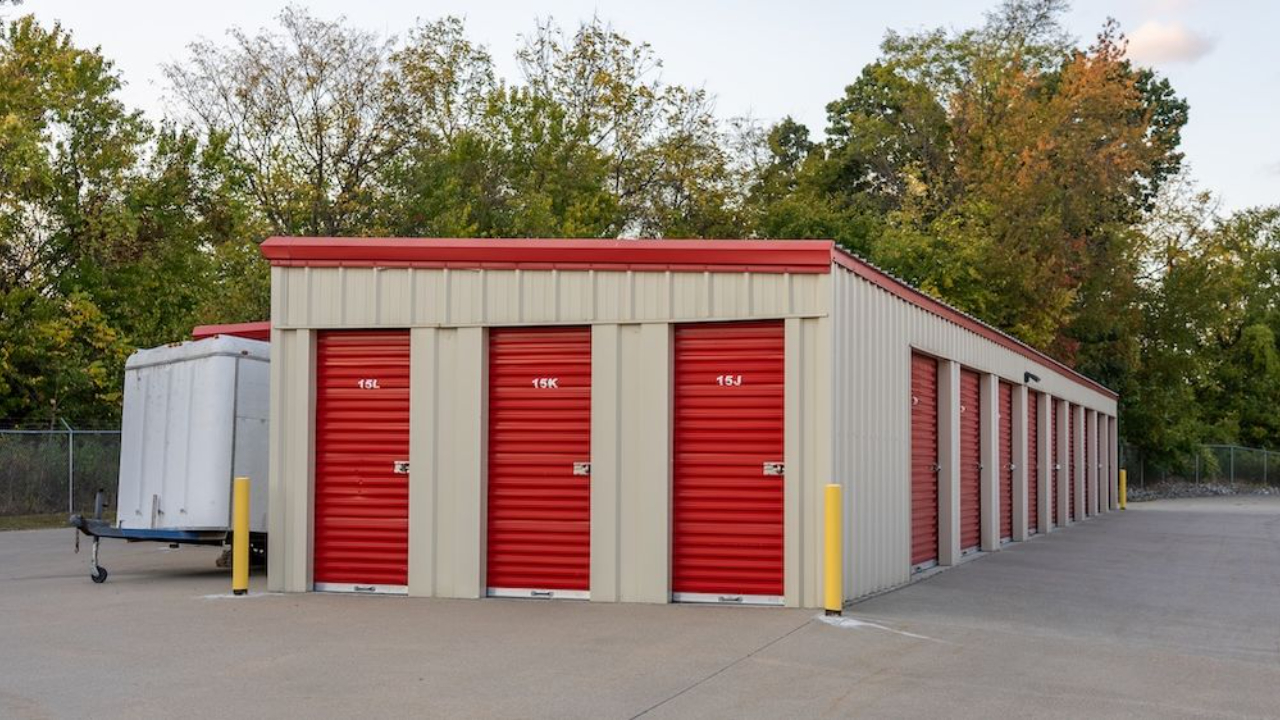
The “Sweet Spot” for Small Self Storage Investments
Jan 21, 2026Small self storage facilities are often where new investors start. The price feels approachable. The asset seems simple. And the idea of automating a small operation sounds appealing. But many first time buyers discover quickly that not all small facilities are created equal.
There is a real sweet spot in self storage. Hit it, and small facilities can be efficient, profitable, and scalable. Miss it, and expenses quietly eat away returns until the deal no longer works. Understanding where that line sits is the difference between a solid first investment and a frustrating lesson.
This guide breaks down how to think about size, automation, pricing, costs, and cash so you can identify facilities that actually make sense to own.
The Sweet Spot for Small Facilities
The biggest misconception with small self storage is that smaller automatically means safer. In reality, size directly impacts margins more than most new investors expect.
Many first time buyers start small because it feels manageable. Lower purchase prices, fewer units, and the idea that mistakes will be cheaper. The problem is that most operating costs do not shrink just because the building does. Insurance, software, accounting, signage, marketing, gates, and basic maintenance are often similar whether a facility is 10,000 square feet or 30,000. Revenue, however, is not.
That mismatch is where many small deals fail. The smaller the facility, the harder it becomes to earn a return on improvements. Every dollar spent on technology, security, or branding represents a much larger percentage of total income. As a result, expense ratios tend to climb as size drops, not because the operator is inefficient, but because the math works against them.
This is where the sweet spot appears. Facilities that are too small struggle to absorb fixed costs. Facilities that are slightly larger can spread those same expenses across more units and more revenue. In most markets, that sweet spot tends to fall roughly between 25,000 and 60,000 net rentable square feet. These properties are often large enough to support automation and professional operations, but still small enough to avoid full on site staffing in many cases.
Once you dip much below that range, every decision matters more. Pricing mistakes hurt more. CapEx carries more risk. And the discount you need on purchase price has to be significantly larger to compensate for thinner margins.
Automating a Small Facility the Right Way
Automation is one of the biggest advantages in modern self storage, but it is also one of the easiest ways to overspend on a small facility.
Many investors say they want automation, but they are often describing very different things. True automation goes beyond online rentals. It means software that integrates with gates, door locks, access control, payments, and tenant communication. The goal is simple: a tenant should be able to find the facility, rent a unit, access it, and manage their account without requiring someone to physically visit the property for that transaction.
When done correctly, this reduces labor, cuts down on site visits, and lowers long term operating costs. It also allows rentals to happen after hours, which matters more than most owners realize.
The challenge is cost. Hardware, software, monitoring fees, and setup expenses are meaningful. On a very small facility, that stack can consume most of the upside. You may save trips and labor, but not enough to justify the investment.
For mid sized small facilities, automation often makes sense because reduced labor, fewer emergency visits, and cleaner operations justify the cost. A single weekly site visit for cleaning and inspections can replace multiple reactive trips for move ins, delinquencies, and access issues.
On very small properties, a lighter approach often works better. Online rentals, remote call handling, scheduled site visits, and manual overlocking can still function effectively. These systems are not perfect and they introduce some operational friction, but they preserve margin when full automation would not pencil.
Pricing Power and Unit Mix Matter More at Small Sizes
Pricing mistakes hurt more when you have fewer units. That sounds obvious, but most people do not feel the impact until they own a small facility.
In a small property, a handful of tenants can represent a meaningful percentage of total revenue. Losing two or three renters, mispricing a popular unit size, or overestimating demand for a niche unit can move the needle fast. At larger facilities, those issues get absorbed by volume. At small ones, they show up immediately in cash flow.
This is why unit mix matters so much. Facilities closer to the sweet spot benefit from more doors, more size options, and more demand types. Climate, drive up, business storage, household overflow, short term and long term renters all blend together. That diversification smooths volatility and gives owners room to adjust pricing without destabilizing the business.
Very small facilities often lack that flexibility. If most of the revenue comes from a narrow band of unit sizes or a small group of long term tenants, pricing power is fragile. When evaluating smaller deals, it is critical to look at tenant concentration, unit distribution, and how easily demand can shift if rates change or tenants move out.
Purchasing and Maintenance Costs Are Often Underestimated
One of the most common mistakes new investors make is underestimating how much it actually costs to take over a facility.
Transaction costs such as legal work, surveys, inspections, lender fees, and closing expenses are mostly fixed regardless of size. A 10,000 square foot facility does not come with cheaper attorneys or surveys than a 30,000 square foot one. Those costs hit small deals harder because they represent a larger percentage of total investment.
After closing, additional expenses stack quickly. Signage changes, website updates, software setup, lease transitions, and vendor onboarding all require upfront cash. These are not optional if you want clean operations and clear ownership from day one.
There is also an important distinction between required CapEx and optional improvements. Anything necessary to operate the business as it exists needs to be addressed before closing or reflected in the purchase price. Broken doors, failing gates, unsafe access, or non functioning units are not upgrades. They are part of the business you are buying.
Optional improvements should only be pursued if they produce a clear return. On small facilities, even modest projects like replacing doors, repairing asphalt, or upgrading access control can materially impact cash flow. These costs do not scale down just because the property is smaller, and the margin for error is thinner.
Why a Line of Credit Is Not Optional
Small facilities experience more pronounced cash flow swings than most buyers expect.
Revenue is seasonal. Move ins and move outs cluster at certain times of year. Expenses, on the other hand, arrive on fixed schedules. Insurance premiums, property taxes, utilities, software fees, and repairs do not wait for occupancy to stabilize.
The transition period after acquisition is especially risky. Payments arrive late. Some tenants keep paying the prior owner. Others miss the changeover entirely. Meanwhile, expenses hit at full strength. Without a buffer, owners are forced to react instead of execute.
A line of credit or built in working capital is not a luxury. It is protection. It allows owners to bridge timing gaps, handle deductibles, and fix problems quickly without cutting marketing, delaying repairs, or making short term decisions that damage long term value.
Facilities that rely solely on monthly cash flow are far more fragile than they appear on paper.
How Much Cash You Really Need
There are three moments where cash matters most.
Before closing, you need funds for due diligence, deposits, inspections, and professional fees. These costs arrive before the deal is guaranteed to close and must be budgeted upfront.
At closing, you need capital for branding changes, system transitions, signage, software, vendor setup, and operational handoff. This is the moment where ownership becomes real and expenses accelerate.
After closing, you need reserves to absorb uneven cash flow, insurance deductibles, delayed payments, and unexpected maintenance. This phase often lasts longer than investors expect, especially in smaller facilities where revenue concentration is higher.
These needs exist whether a facility is 10,000 or 30,000 square feet. The difference is that smaller facilities have less revenue to absorb them. Underestimating this is one of the fastest ways to turn a good looking deal into a stressful one.
Understanding True Profit Margins
Small facilities rarely operate at the ultra low expense ratios sellers advertise.
Owners often exclude labor they provide themselves, outdated tax assessments, deferred maintenance, or minimal marketing from their numbers. Those expenses do not disappear when ownership changes. They shift to you.
What matters is not how the seller ran the property, but how you will. Once realistic expenses are applied, many small facilities operate closer to 30 to 50 percent expense ratios. That reality makes margin discipline critical.
At small sizes, minor changes have outsized effects. A few thousand dollars in added expenses or lost revenue can materially reduce net income. Because valuation is tied to income, that swing can translate into a six figure change in value.
This leverage cuts both ways. Managed well, small facilities can create value quickly. Managed carelessly, they can lose it just as fast.
Final Thoughts
Small self storage facilities can be excellent investments, but only when size, systems, and capital are aligned.
The sweet spot exists because it balances automation, pricing power, and expense absorption. Facilities that fall too far below it often struggle, not because storage is a bad asset, but because the economics no longer support professional operations.
Approach small facilities with clear eyes. Underwrite conservatively. Verify costs. Build in cash reserves. And choose size ranges that allow expenses to work for you instead of against you.
When you hit the sweet spot, small self storage becomes not just manageable, but repeatable.

